Active retirees find that the
continuing care retirement community in Dearborn, MI, solves the real problems of traditional homeownership—endless maintenance headaches and surprise expenses that eat away at retirement savings and precious time.
This change from homeownership to senior living frees retired professionals to spend their energy on what they actually want to do—pursue interests and stay connected with loved ones.
This guide shows you why independent living communities make sense for active dads who want a real alternative to conventional retirement living. You'll see how a continuing care retirement community in Dearborn, Michigan, eliminates the burdens of owning a home and creates environments where you can stay active and engaged.
How Much Time Does Home Maintenance Actually Consume in Retirement?
The average homeowner spends approximately 133 hours monthly on home-related tasks
(U.S. Bureau of Labor Statistics [BLS], 2024), including 47 hours for cleaning and maintenance, 29 hours for meal preparation and 56 hours for outdoor upkeep. This totals over five and a half days each month spent on property management rather than enjoying retirement activities.
When your house starts managing you
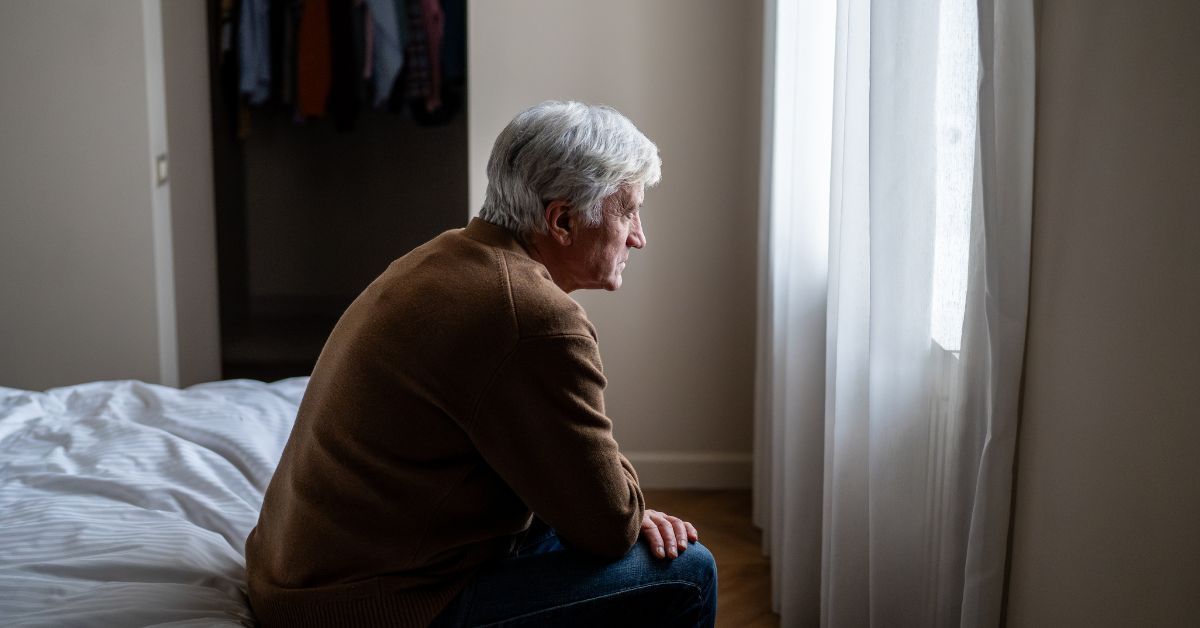
You know the shift has happened when tasks that used to feel manageable start feeling overwhelming. Cleaning gutters becomes risky. Lawn care becomes exhausting. Even keeping track of multiple bills and maintenance schedules feels like more work than it should be.
The financial pressure doesn't help. Unexpected repairs, rising costs and property taxes all compete with your fixed retirement income. When your house demands more from you than it gives back, it might be time to consider a different approach.
The Smart Choice: Modern Continuing Care Retirement Community
Maintenance-free living: Reclaiming your time for what matters
Think about those six hours per week you spend scrubbing, organizing and tidying up. Add the phone calls with contractors, the waiting around for repair appointments and the stress of coordinating multiple service providers. Independent living communities handle all of this, giving you back time that actually belongs to you.
Dearborn senior living communities take care of lawn care, snow removal, repairs and property upkeep. You get to spend those hours connecting with family, pursuing hobbies that bring you joy or staying physically active in ways that matter to your health.
Social connections: Finding your people
The continuing care retirement community in Dearborn, Michigan, creates natural opportunities for friendship and community. Isolation affects both your mental and physical well-being, but traditional homes can leave you feeling cut off from meaningful connections. These communities build social interaction right into daily life through shared meals, activity calendars and welcoming common spaces.
Senior living in Dearborn features fitness centers with equipment that makes sense for your age group, walking paths and group exercise classes. Activity directors work with residents to create programming that they actually want to participate in.
Why Dearborn Feels Like Home for Your Next Chapter
Your roots run deeper than you might realize
You've spent decades here and that connection matters more than square footage or amenities. Dearborn isn't just where you worked—it's where your professional identity took shape, where colleagues became lifelong friends and where the hum of innovation still echoes through every neighborhood.
Dearborn's cultural richness adds warmth to daily life. The Arab-American community brings authentic flavors and traditions that broaden your social circle beyond shop talk. The Dearborn Farmers Market becomes a weekly ritual where conversations flow as naturally as the seasonal produce. These connections matter more in retirement than you might expect.
That balance feels right. You've spent enough years managing complex schedules and demanding deadlines. Now you deserve a living situation that adapts to your preferences rather than the other way around.
Upgrading Your Lifestyle
Continuing care retirement communities in Dearborn represent an upgrade for retired professionals who demand a high-performance lifestyle. You spent decades optimizing systems and eliminating inefficiencies. Above all, retirement should reflect that same standard. Independent living communities deliver maintenance-free environments and activity-centric schedules that keep you engaged.
Is the burden of home maintenance keeping you from actually enjoying your retirement? Contact
Riverside Commons at 313-253-9000 to book a tour. We’ll show you our spacious floor plans and explain how we handle the 'boring stuff'—like landscaping and repairs—so you can spend your time on the things you actually love.
FAQs
Q1. Are continuing care retirement communities really more affordable than staying in a house?
In many cases, yes—especially when you look at the full cost of homeownership. With a house, you’re paying separately for things like property taxes, insurance, utilities, maintenance and unexpected repairs. Senior living communities usually bundle many of those into one monthly payment, which makes costs more predictable and helps you avoid big surprise expenses like a new roof or HVAC system.
Q2. What should I pay attention to when touring a senior living community?
Try to visit during the late morning or early afternoon when things are active—you’ll get a better sense of daily life. Bring a checklist and, if possible, a family member for a second perspective. Look at how clean and well-kept everything is, how staff interact with residents and whether people seem engaged and comfortable. It’s also worth requesting a clear breakdown of pricing.
Q3. Can continuing care retirement communities actually help with loneliness or isolation?
They really can. These communities are designed to make it easier to stay socially connected. Between shared meals, group activities, fitness classes and common spaces, there are plenty of natural ways to meet people and build relationships. That kind of built-in social environment can make a big difference in both emotional well-being and overall quality of life.