Understanding Skilled Nursing and Who It's For
Understanding what skilled nursing is can make choosing the right level of care feel much less overwhelming. Whether you're exploring options after a hospital stay or planning for a loved one's changing health needs, knowing what this level of care includes can help you make more informed decisions.
Skilled nursing is professional medical care provided by licensed nurses and other healthcare professionals. It supports people recovering from an illness, injury, hospitalization or surgery, as well as those who need ongoing help managing more involved health conditions.
At Riverside Commons, skilled nursing and rehabilitation are brought together in one supportive setting, with services tailored to each person's health needs and goals.
What Is Skilled Nursing?
Skilled nursing provides a higher level of medical care than assistance with daily activities alone. These services must be provided or supervised by qualified healthcare professionals because they involve medical treatments that require clinical training. (Centers for Medicare & Medicaid Services)
For some people, this care is temporary. A person recovering from surgery, for example, may need nursing and rehabilitation for several weeks before returning home. It also provides longer-term support for chronic conditions or health needs that require consistent medical attention.
The goal is to provide the right combination of treatment, monitoring, rehabilitation and daily support while helping each person maintain as much comfort and independence as possible.
Services That Support Recovery
The exact services someone receives depend on their condition and care plan. Skilled nursing may include:
- 24/7 nursing supervision
- Medication administration and monitoring
- Wound care
- IV therapy
- Pain management
- Post-surgical care
- Chronic condition management
- Nutritional support
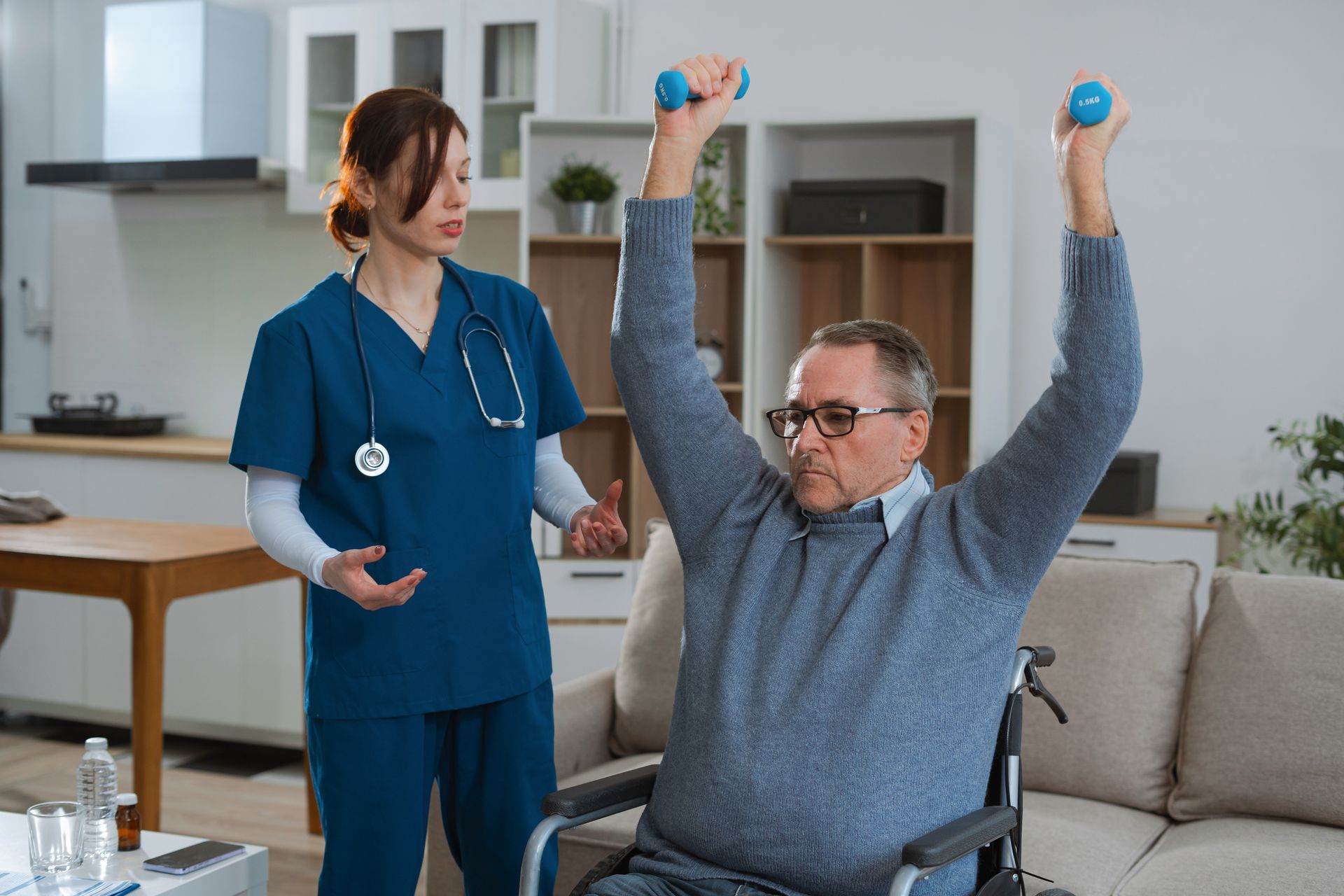
Rehabilitation can also play an important role. Physical, occupational and speech therapy may be incorporated into a person's care to help rebuild strength, mobility, communication skills or the ability to perform everyday tasks.
Who Can Benefit From Skilled Nursing Care?
There isn't one diagnosis or event that determines whether someone needs skilled nursing. Instead, it's about the level of medical attention their current situation requires.
Skilled nursing may be appropriate for someone who is:
- Recovering after surgery or hospitalization
- Healing from a stroke, injury or cardiac event
- Managing complex or multiple chronic conditions
- Receiving treatment for a serious infection
- Experiencing significant mobility limitations
- Recovering from a joint replacement
- Managing a wound that requires specialized treatment
In many cases, skilled nursing serves as the bridge between hospital discharge and readiness to safely return home.

What Is a Skilled Nursing Facility?
A skilled nursing facility (SNF) is a licensed healthcare setting where people can receive nursing care, medical treatment and rehabilitation outside of a hospital.
Someone may be medically stable enough to leave the hospital while still needing professional care before returning home. A skilled nursing facility provides a setting for that next stage of recovery.
Skilled Nursing vs. Assisted Living
Assisted living and skilled nursing aren't simply two versions of the same service. They're designed for different levels of need.
Assisted living primarily helps people who want to remain independent but could benefit from support with everyday activities such as dressing, bathing, meals or medication reminders.
Skilled nursing provides medical treatment and monitoring from licensed healthcare professionals.
For example, someone who needs a little help getting ready each morning may be well-suited to assisted living. Someone who needs daily wound treatment, IV medication or intensive rehabilitation would require a higher level of clinical care.
What Does Skilled Nursing Care Look Like at Riverside Commons?
Good skilled nursing isn't only about responding when something goes wrong. It's also about understanding what someone needs today and what could help them make progress tomorrow.
At Riverside Commons, residents have access to an interdisciplinary care team that works together throughout their stay. Care may include:
- Around-the-clock skilled nursing
- Physical, occupational and speech therapy
- Personalized rehabilitation plans
- Advanced clinical services
- Pain and symptom management
- Coordination between nurses, therapists and physicians
This collaborative approach means that recovery isn't treated as one isolated goal. Mobility, comfort, medical needs, daily routines and overall well-being can all be considered as part of the same plan.
Finding Care That Matches Your Needs
Whether someone is recovering after a hospital stay or managing a complex medical condition, receiving the right support can make a meaningful difference in their recovery, comfort and overall well-being.
At Riverside Commons, our team provides personalized skilled nursing and rehabilitation services designed around each resident's unique health needs and goals. If you'd like to learn more about our services or discuss whether this level of care is the right fit for your loved one, call 888-609-3408 or contact our team to schedule a visit!

FAQs
Q1. How long do people stay in skilled nursing?
It depends on why care is needed. Someone recovering after surgery may only stay for a few weeks, while a person with ongoing medical needs may benefit from longer-term care.
Q2. Does Medicare cover skilled nursing care?
Medicare may cover eligible short-term skilled nursing care when certain requirements are met. Coverage depends on factors including medical necessity and eligibility, so it's important to confirm current requirements directly with Medicare or your insurance provider.
Q3. Is skilled nursing the same as rehabilitation?
Not exactly. Rehabilitation focuses on helping someone regain abilities through services such as physical, occupational or speech therapy. Skilled nursing encompasses broader medical care and can include rehabilitation as part of a person's overall treatment plan.